

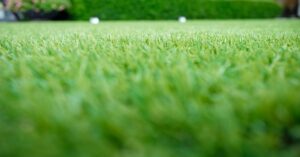
Well-Maintained Landscapes Provide a Range of Environmental Benefits
Yards, including your lawn, offer a safe space for families to gather and for children and pets to play. But did you know that these well-maintained landscapes also provide a range of environmental benefits?
Filters and Absorbs Runoff
Hard surfaces like hardscapes, parking lots, driveways, and roads transform rainwater into rapid stormwater runoff. In contrast, grass helps slow down and absorb this runoff, while also filtering out impurities and dust. Rainwater passing through a well-maintained lawn can be up to ten times less acidic than water flowing off hard surfaces.
Reduction in Heat
Grass helps reduce the heat island effect created by asphalt, concrete, and other hard surfaces. Lawns can be up to 31 degrees cooler than asphalt and 20 degrees cooler than bare soil.
Improving Air Quality
Grass plays a crucial role in trapping dust, smoke particles, and other pollutants. Without it, these contaminants would linger in the air, leading to an increase in “code red” air quality days.
Helps Maintain Carbon Dioxide
Lawns are the largest carbon sink in the U.S., absorbing and removing carbon dioxide, a key greenhouse gas, from the atmosphere. Grass is so effective at sequestering carbon that it can offset the carbon emissions generated from lawn maintenance by up to seven times.
Generating Oxygen
A 50′ x 50′ area of turf grass produces enough oxygen to meet the daily needs of a family of four.
Promotes Biodiversity
Grass, trees, shrubs, and other plants offer food and shelter for birds and small mammals. Insects, spiders, and worms thrive among the grass blades and in the soil, creating a supportive environment for wildlife.
Prevents Soil Erosion
Grass naturally prevents erosion with its dense, fibrous root system. Without grass, soil washes into streams and lakes, clouding the water and reducing sunlight penetration. The nutrients and chemicals carried with the soil can lead to algae blooms, which deplete oxygen and harm aquatic life.
The Question Isn’t Lawn or No Lawn
Choose the Right Grass
Select the right grass for your climate zone and lifestyle. Certain types, like buffalo and Bermuda grass, need minimal water and can withstand foot traffic, children’s play, and pets effectively.
Avoid Overwatering
Using less water forces grass to work harder, encouraging deeper root growth as it searches for moisture. This strengthens its ability to trap carbon and release oxygen more effectively.
Going Brown on the Grass
When watered less, grass slows down, goes dormant, and turns golden brown. It will “green up” again once the rain returns.
Diversify
Combine native plants with adaptive plants and grasses. Include pollinator-friendly plants to support local bees, butterflies, hummingbirds, and other animals and insects.
Leave a Replay

Sign up for our Newsletter
Click edit button to change this text. Lorem ipsum dolor sit amet, consectetur adipiscing elit